A lot has changed in the world of interior design lately. Industrial Chic has made its way from factories into our living rooms, giving our homes a cool new look. This style blends raw materials like exposed brick and metal with cosy accents. It all started when people began converting old warehouses into trendy lofts. Today we see open floor plans, high ceilings, and furniture made from reclaimed wood and steel. Lighting plays a major role too, with Edison bulbs and cage-style fixtures adding character. The best part? You can combine industrial elements with other styles to create a truly unique space. There is still so much more to discover about this exciting design trend.
Key Takeaways
- Industrial Chic emerged through the adaptive reuse of abandoned factories, transforming industrial spaces into trendy living areas.
- Key elements include exposed brick, concrete, metal, open floor plans, and high ceilings that echo the feel of production spaces.
- The trend reflects a growing appreciation for sustainability, history, and the reuse of materials in interior design.
- The industrial aesthetic combines raw elements with refined accents, striking a balance between rugged charm and modern comfort.
- DIY projects and upcycling allow homeowners to incorporate the industrial style through custom-built furniture and lighting solutions.
The Birth of Industrial Chic
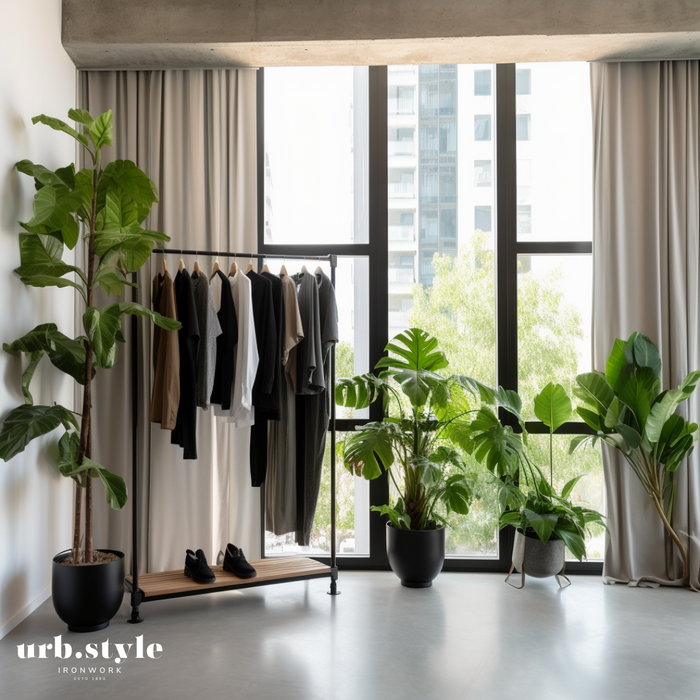
Industrial Chic has its roots in the late 20th century, emerging alongside the urban gentrification movement that breathed new life into abandoned factories and warehouses. As cities evolved, so did people's perception of these once-neglected spaces. The adaptive reuse movement played a significant role in this transformation, turning old industrial buildings into trendy living spaces. This trend has since expanded into modern home design, with minimalist clothing racks becoming popular focal points in contemporary interiors that blend functionality with industrial aesthetics.
We began to recognise the appeal of exposed brick walls, steel beams, and open floor plans. These features, once hidden or considered unsightly, became the stars of the show. The loft aesthetic moved to centre stage, celebrating the raw beauty of industrial materials.
As we moved into the 1990s, Industrial Chic really hit its stride. We embraced minimalism and a renewed appreciation for craftsmanship. It felt like rediscovering the value of honest materials and skilled workmanship. Yet this style did not simply appear out of nowhere. It was shaped by the historical significance of factories, the beauty of reclaimed materials, and a cultural shift towards authenticity in design. Industrial Chic became our way of connecting with our industrial past while creating modern, liveable spaces.
Defining Elements of Industrial Design

Five key elements define the essence of industrial design, transforming spaces into raw, authentic environments. Let us explore these components that bring the factory floor into our living rooms.
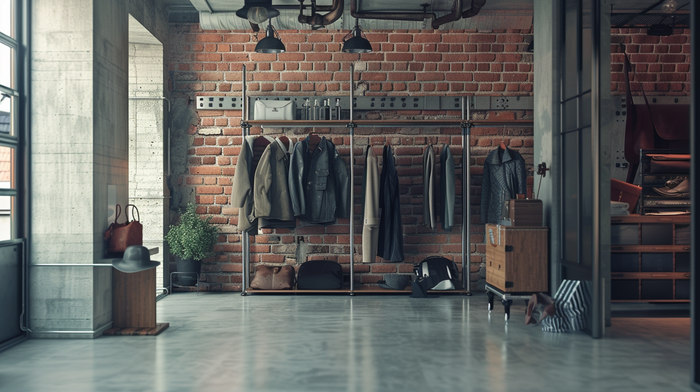
First, there are materials. Think exposed brick, concrete, and metal — the stuff you find in old warehouses. These raw elements give spaces the edgy, urban minimalist atmosphere we are after. Black metal pipes are becoming increasingly popular for creating stylish and functional clothing rails that add an industrial touch to wardrobes and living spaces. Next up are open floor plans with high ceilings. This layout echoes the expansive production spaces of old factories, creating a sense of freedom and airiness.
When it comes to furniture, it is all about functional aesthetics. Picture worn leather sofas and reclaimed wood tables. These pieces are not just stylish — they are practical too. Lighting plays a huge role in setting the mood. Edison bulbs and oversized warehouse-style pendants provide warmth while staying true to the industrial look.
Finally, there is colour. The palette is largely neutral — think greys and blacks. But do not worry, it is not all dark and dreary. Pops of rust or deep blue add variety without going overboard. Together, these elements create spaces that are both cosy and cool.
From Warehouses to Living Spaces

As part of the urban revitalisation movement, abandoned warehouses and factories have found new life as trendy living spaces. This warehouse conversion trend took off in the 1990s when many cities were swept up in a wave of gentrification. We watched as these once-forgotten buildings were transformed into stylish lofts and apartments, complete with bare brick walls and steel beams that give them a unique character. This industrial aesthetic has extended beyond architecture, and black metal pipe frames have become popular home furnishing pieces that reflect the rugged, robust appeal of industrial design.
The Industrial Chic movement has truly taken hold, and it is not hard to see why. These spaces offer a perfect blend of history and modern living. People love the idea of living somewhere with a story, and these converted warehouses certainly have stories to tell. Plus, there is something special about those huge windows and open floor plans that you simply cannot find in a standard apartment.
But it is not just about the look. This trend also shows that we are beginning to place greater value on sustainability. By repurposing old buildings and materials, we are giving parts of our industrial past a new lease of life. It is a win-win situation: we get cool living spaces while also doing our bit for the environment.
Balancing Raw and Refined
While converting old industrial spaces into living areas provides the foundation, it is the art of balancing raw and refined elements that truly brings Industrial Chic to life. We have found that the key lies in skilfully mixing contrasting materials and textures. Let us take a closer look:
| Raw Elements | Refined Elements | Balance |
|---|---|---|
| Exposed brickwork | Plush textiles | Visual appeal |
| Concrete floors | Elegant metal accents | Tactile variety |
| Rough wood | Soft furnishings | Comfort and cosiness |
| Industrial lighting | Curated artwork | Personality and warmth |
By combining these elements, we create a space that is both rugged and refined. The neutral colour palette — predominantly greys and blacks — serves as a canvas for pops of colour introduced through carefully chosen fabrics and artwork. This approach softens the industrial character and ensures the space feels welcoming.
We cannot overstate the importance of soft furnishings in this style. Adding velvet cushions or wool throws to a leather sofa, for example, creates a tactile variety that is essential for comfort. And do not forget the statement pieces — a vintage lamp or a coffee table made from recycled wood can really pull a room together, giving it the perfect balance between raw charm and refined elegance.
Industrial Furniture and Accessories

At the heart of Industrial Chic are its distinctive furniture pieces and accessories. We are talking about pieces that showcase repurposed materials and functional aesthetics. Picture a worn leather sofa that is just as comfortable as it is cool, or a table made from reclaimed wood that tells a story with every scratch and dent. These are not just furniture pieces — they are conversation starters. The industrial aesthetic also extends to storage solutions, with black metal pipe shelving offering a stylish and durable option for organising your wardrobe. These shelving units embody the essence of Industrial Chic while providing practical storage for all types of clothing.
Let us not forget metal shelving either. Not only is it practical for storage, but it also delivers the raw, factory-inspired look we are going for. And when it comes to lighting, Edison bulbs and cage-style pendant lamps are just the ticket. They bathe your space in a warm, nostalgic glow that is hard to resist.
To really nail the industrial vibe, we need to talk about accessories. Vintage signs, decorative cogs, and industrial-style artwork are your best friends here. They add personality to your space while nodding to the aesthetic's factory roots. And do not overlook open shelving. It is perfect for displaying your books and decorative items while reinforcing that vintage feel. With these elements in place, you will have an industrial-chic space that is as stylish as it is functional.
Lighting in Industrial Spaces

Let us explore how lighting sets the mood in industrial spaces. We will look at exposed bulbs and fixtures that highlight the raw aesthetic, repurposed industrial lamps that add character, and contrasting light sources that create depth. The fusion of industrial design with modern elements contributes to the overall appeal of these spaces, emphasising both functionality and visual impact. The focus on robust materials enhances the durability and style of light fittings. These lighting choices do not just illuminate a room — they also highlight the unique features of industrial design.
Exposed Bulbs and Fixtures
Lighting sets the scene in industrial-chic interiors, and exposed bulbs and fixtures take centre stage in this design style. When it comes to bulb aesthetics, Edison bulbs are the go-to choice. These warm, glowing spheres add a nostalgic touch that is hard to beat. But it is not just about looks — fixture functionality is equally important in industrial spaces.
Cage-style pendant lights and large warehouse fixtures are popular options. They are not only eye-catching but also highly practical. These fittings are often made from raw materials such as metal and glass, which fits perfectly with the industrial flair. It is all about celebrating those little imperfections and showcasing fine craftsmanship.
We love the fact that industrial lighting often comes with adjustable components. Hanging pendants and articulated arm lamps allow you to direct light exactly where you need it. It is like having your very own personal lighting assistant! And let us not forget natural light. Minimal window coverings combined with exposed fixtures create an airy, open feel — like bringing the outside world in, minus the unpredictable weather. So go ahead and let those bulbs shine!
Repurposed Industrial Lamps
When it comes to industrial-chic lighting, repurposed lamps are the ultimate statement pieces. We are seeing more and more homes and businesses embrace these one-of-a-kind fittings that blend vintage aesthetics with modern style. These lamps are not just light sources — they are conversation starters that bring character and history to any room.
Here is why repurposed industrial lamps are so popular:
- They are eco-friendly, giving old materials a new lease of life
- They create a warm, nostalgic atmosphere
- They are built to last and incredibly robust
We love how these lamps can transform a space. Imagine a cage-style pendant made from an old factory light, or an Edison bulb fitting crafted from recycled cogs. These pieces do not just illuminate — they tell a story. And the best part? They are often made from reclaimed materials like metal and glass, which means every piece is truly unique.
Contrasting Light Sources
While repurposed industrial lamps add character, it is the art of contrasting light sources that truly brings industrial spaces to life. We have found that layered lighting is the key to a balanced and inviting atmosphere. By combining exposed Edison bulbs with oversized warehouse pendant lights, we can achieve a warm, nostalgic glow that highlights the raw beauty of industrial design.
But it is not just about the fixtures themselves. We love how lighting in Industrial Chic spaces serves a dual purpose: function and focal point. Cage-style pendants and vintage lamps are not there simply to illuminate a room — they are also there to spark conversation. And here is where it gets interesting: we pair these robust fittings with soft, tactile textiles. It is this blend of contrasting textures that gives industrial spaces their unique charm.
Do not overlook natural light! We keep window dressings minimal and neutral to let the sunlight pour in. This openness is a nod to the generous factory atmosphere we are aiming for. And for a personal touch, we love DIY lighting projects. Mason jar pendants or pipe-fitting lamps? Yes, please!
Colour Palettes for Industrial Interiors

In the world of industrial-chic design, colour palettes play a crucial role in shaping these distinctive interiors. We often see a neutral foundation of greys, blacks, and whites that creates a cohesive backdrop. But do not worry — it is not all dark and dreary! To liven things up, we love introducing pops of colour through carefully chosen textiles and artwork. Think deep blues or burnt orange that catch the eye and energise the space. Modern minimalism often uses bold, vibrant accent colours that integrate seamlessly into industrial designs, adding a fresh dimension.
When it comes to perfecting the industrial look, we have a few tricks up our sleeve:
- Balance is key — mix cool metals with warm accents
- Layer textures to create depth and visual interest
- Use colour psychology to set the right mood
Metallic finishes such as bronze or brushed steel are our first choice for that factory-inspired feel. Not only are they beautiful to look at, they also bring a contemporary edge to the overall scheme. We cannot stress enough how important it is to strike the right balance. Too much grey can feel cold, but add some warm tones and soft fabrics and you have a space that is both rugged and inviting.
Mixing Industrial Style with Other Styles
Despite its distinctive character, industrial-chic design does not exist in a vacuum. We have seen how well it harmonises with other styles, creating unique and exciting spaces. Let us explore some of these fantastic combinations.
First up, Industrial Bohemian. This blend introduces colourful textiles and eclectic patterns to soften the raw industrial look. It adds warmth and character to what might otherwise be a cold space. Next, we have Minimalist Fusion. This combination keeps things simple and functional, with clean lines and a monochrome colour palette that complements industrial elements perfectly. The versatility of metal pipes in wardrobe design allows for seamless integration into a wide range of aesthetic preferences, making them ideal for these hybrid styles.
For those who prefer a stronger contrast, mixing industrial with rustic country style creates spaces that honour both old and new, where rough textures meet smooth surfaces. And if you are looking for Scandinavian warmth, combining industrial with Nordic minimalism can create a wonderfully inviting atmosphere. Light colours and natural materials balance out the ruggedness of industrial design.
These combinations show just how versatile Industrial Chic can be. By mixing and matching, we can create spaces that are both stylish and comfortable, with understated functionality and a personal flair.
DIY Projects for Industrial Décor
Let us explore some hands-on ways to bring the industrial style into our homes. We will look at how to turn pipes into cool shelving units, give old light fittings a fresh industrial look, and create unique furniture by combining metal and wood. These DIY projects are perfect for adding an industrial touch to our spaces while getting creative and saving some money. For those looking to incorporate industrial-chic accessories into their personal style, metal pipe fittings offer versatile options that go beyond home décor. These projects not only enhance our living spaces but also reflect the growing trend of industrial aesthetics in fashion and design.
Pipe Shelving Upcycling Ideas
Countless DIY enthusiasts have discovered pipe shelving upcycling as a cornerstone of industrial-chic interior design. These versatile shelves combine sturdy metal pipes with reclaimed wood, creating a perfect blend of function and style. We love the fact that by customising pipe shelving, we can tailor the size and design to suit any space — whether it is a cosy flat or a spacious loft.
Getting started on your own pipe shelving upcycling project is easier than you might think. Here are a few reasons why you will enjoy the process:
- It is a beginner-friendly DIY project that requires no advanced skills
- You can easily source the materials from your local hardware store or salvage yard
- The end result adds both storage and character to your space
Vintage Lighting Makeovers
Moving from shelving to lighting, let us shed some light on the world of vintage lighting makeovers. Here are some DIY projects that will add an industrial touch to your space. Got an old lamp? Give it new life with vintage shades or fresh fixture finishes. It is amazing how a simple change can transform a dull fitting into a stunning focal point.
We love the idea of turning everyday objects into unique light fittings. Take a look at this table for some inspiration:
| Material | Project Idea |
|---|---|
| Mason jars | Pendant lights |
| Factory lights | Wall sconces |
| Reclaimed wood | Lamp base |
| Recycled materials | Custom chandelier |
These projects are not just about looks — they are about telling a story. Each piece connects your space to its industrial roots. And do not underestimate the power of a good bulb! Swapping standard bulbs for warm Edison bulbs can instantly change the mood of a room.
Metal-Wood Furniture Projects
We are diving into the world of metal-wood furniture projects, where Industrial Chic meets DIY ingenuity. These projects are all about combining reclaimed wood with metal elements to create unique, functional pieces that bring character to your home. From coffee tables with steel frames to industrial shelving units, there is no shortage of inspiration for upcycling materials into stunning furniture.
One of the greatest advantages of metal-wood projects is their versatility. You can easily adapt them to suit your spatial and stylistic preferences. Here are three popular ideas to get you started:
- Build a rustic dining table with a reclaimed wood top and metal pipe legs
- Create industrial shelving using metal brackets and wooden boards
- Craft a side table with hairpin legs and a wooden surface
These DIY projects not only showcase your creativity but also promote sustainability through the use of upcycled materials. The contrast between the warm, organic feel of wood and the cool, sleek look of metal creates a perfect balance in your interior. Whether you are an experienced DIYer or just starting out, metal-wood furniture projects offer a fun and rewarding way to bring Industrial Chic into your living space.
Conclusion
We have explored the raw world of Industrial Chic, from its factory origins to its cosy home invasion. Like a well-oiled machine, this style seamlessly combines raw and refined elements. It is about more than just looks — it is a nod to our industrial heritage. Whether you are furnishing a loft or adding a touch of edge to your living room, industrial design offers endless possibilities. So roll up your sleeves and get creative — your space is waiting for its industrial transformation!
Frequently Asked Questions
Q: What defines the industrial style in a living room?
A: The industrial style in a living room is defined by clean forms, robust materials such as metal and wood, and a combination of vintage elements and modern design. Hallmarks also include muted colours like black and grey, open-plan layouts, and the use of industrial materials such as concrete and exposed brick walls.
Q: How can I incorporate Industrial Chic into my kitchen?
A: To incorporate Industrial Chic into your kitchen, consider open metal shelving systems, stainless steel appliances, and concrete or stone worktops. Complete the look with vintage bar stools, factory-style pendant lights, and accessories in copper or brass.
Q: Which colours work best for the industrial style?
A: The industrial style works best with muted tones such as black, grey, brown, and white. These shades convey the authentic charm of industrial design and pair well with metallic accents like copper or brass.
Q: How can I add industrial-style décor to my interior?
A: Incorporate industrial-style décor through the use of metal shelving, vintage advertising signs, factory-style lamps, and sturdy wooden crates. Accessories such as metal candle holders, large factory-style wall clocks, or decorative elements featuring cogs and tools are a perfect fit for the industrial look.
Q: Is Industrial Chic still on trend?
A: Yes, the Industrial Chic interior style is very much still on trend. It combines timeless elements with modern design and appeals to those who appreciate an authentic, characterful approach to decorating. Its blend of functionality and aesthetics makes it an enduringly popular interior trend.
Q: How do I create an industrial-style feature wall?
A: For an industrial-style feature wall, you can expose existing brickwork or use wallpaper with a brick or concrete effect. Metal panels, weathered steel, or exposed installations such as pipes and conduits also work well. Complete the look with large-format vintage posters or industrial photography.
Q: What furniture pieces are typical of Industrial Chic?
A: Typical Industrial Chic furniture includes metal and wood sideboards, leather-upholstered sofas, dining tables with metal legs and wooden tops, and shelving systems made from pipes and planks. Vintage workbenches used as coffee tables or old factory chairs are also a perfect match for the industrial look.
Q: How do I combine industrial furniture with other interior styles?
A: Industrial furniture pairs well with other interior styles such as Shabby Chic or Scandinavian design. The key is to use individual industrial elements as accent pieces. For example, you might pair an industrial sideboard with soft textiles and light colours, or place a vintage factory chair alongside a modern dining table.
Q: What lighting suits the industrial style in a loft?
A: For a loft with an industrial style, factory-style pendant lights, large floor lamps with metal shades, and wall lights made from pipes and metal work particularly well. Edison bulbs with visible filaments add extra charm. Multi-arm ceiling lights in an industrial design are also an excellent choice.
Q: How can I achieve the industrial style in a small space?
A: In small spaces, the industrial style calls for a "less is more" approach. Focus on a few key statement pieces, such as a striking metal sideboard or a vintage factory chair. Make use of vertical space with open shelving systems and choose furniture with slimline silhouettes. Light colours on the walls can make the space feel larger, while industrial accents deliver that signature look.